
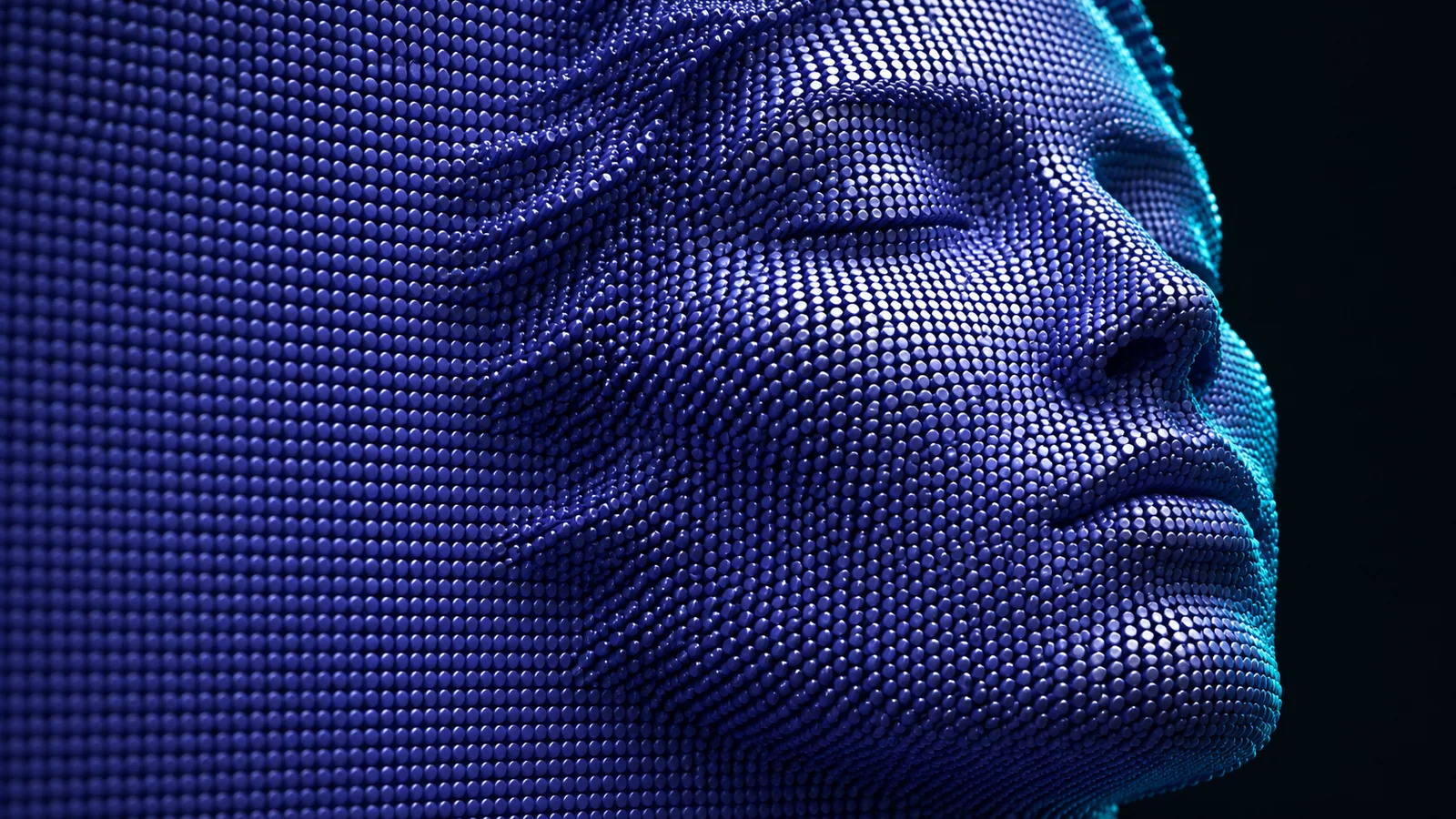
Model inversion uses a trained model to infer private data or traits, such as a recognizable face. What it can reveal depends on access and prior knowledge. A likeness alone does not prove that an exact training record was recovered.
Testing whether a record was used and copying the model are different goals.
Model inversion versus related attacks
NIST’s March 2025 taxonomy separates these goals. Ask what the claim is about before judging the result.
| Goal | What to check | What it does not prove |
|---|---|---|
| Model inversion | Does the result reveal the claimed data or trait? | A likeness is not proof of an exact source record. |
| Membership inference | Was this known sample used to train the model? | This does not recover its contents. |
| Model extraction | Do the copied parameters or behavior match? | This does not recover private training records. |
These goals can be combined, but each needs its own evidence. A copied model and a face image are different results. Do not treat the names as one broad type of data theft.
Data poisoning changes training inputs. Prompt injection targets an instruction boundary. Neither label proves that private data was inferred from a trained model.
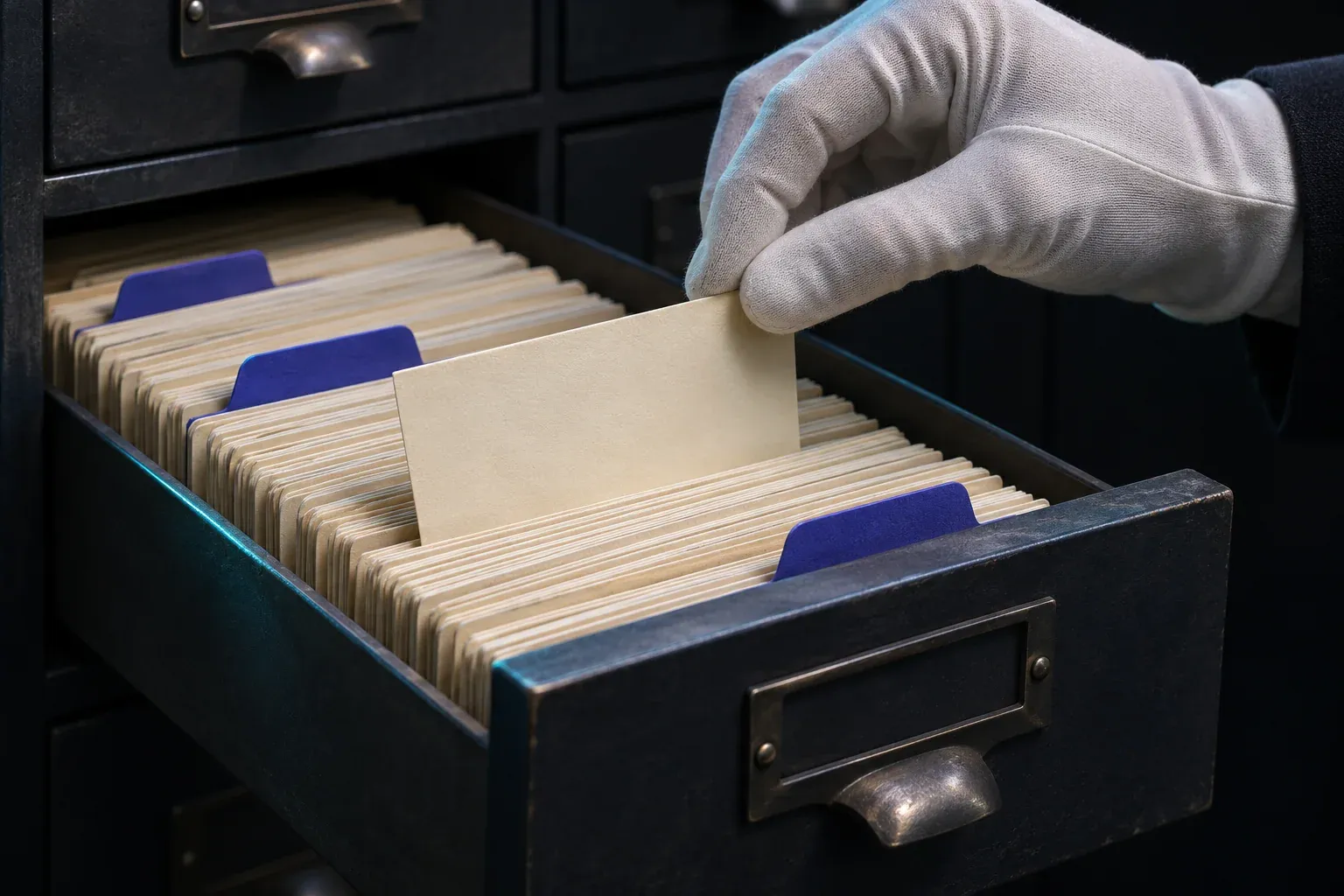
Finding a known card illustrates a question about collection membership.
What the 2015 example showed
Fredrikson, Jha and Ristenpart used a person’s name and access to a face-recognition model’s confidence scores to build recognizable face images. Their CCS 2015 study showed a privacy risk with that access. It was an experiment, not a report of a current breach.
NIST describes this early classifier result as a class representative, not direct recovery of an individual training image. It does not follow that no attack can ever recover a record. More access or prior knowledge can change what is possible.
A face that looks right is not proof of where its pixels came from. As with deepfake verification, likeness and source evidence are separate checks. It also does not prove that the model disclosed an address or other untested fact.

Two drawn likenesses are not proof of a shared source.
The Decipher interview below gives broader model-security context with Fredrikson. It is not a new inversion test.
Check the interface and evidence
Use this proposed checklist to review a claim or an API design:
- Access: name the model and version. Does it expose confidence scores, labels, embeddings or weights? “Black-box” alone does not say enough.
- Prior knowledge: list known traits, target names and auxiliary data. Which facts came from the model? Which were supplied before the test?
- Result: state what was inferred. Was it a trait, a typical sample or a claimed original record? Set the proof needed before viewing the images.
- Scope: keep failed cases as well as successes. State what was tested. One good result does not give a success rate for every deployment.
Use a data-use inventory to find the real interfaces and access rights. Keep model-drift monitoring separate: stable prediction quality does not prove that private data stays private.
Zhou and colleagues’ survey, v3, revised August 16, 2026, covers score-based, label-only and exposed-representation settings. Hiding confidence scores changes access, but is not a universal defense. Test a proposed control against the stated threat model and its cost to legitimate use.

The partly open iris makes an access boundary visible.
Choose which exposed information needs a model-specific privacy assessment next. Keep unknowns in the record. Do not turn a plausible image into a verified disclosure claim.